

Hydrogeological and Hydrogeochemical Assessment of an Area Impacted by Sulfate from a Tailings Dam
CLIENT
Confidential
LOCATION
Goias State, Brazil
TIMEFRAME
2017
Need more info? Contact Us!
Challenges
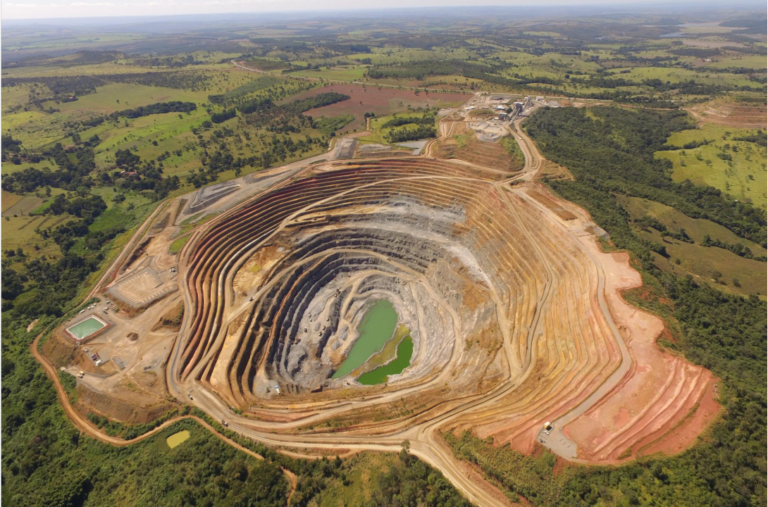
The project involved the development of a conceptual hydrogeological and hydrogeochemical model, followed by a numerical flow and transport model, to assess the migration of a sulfate, arsenic, and cyanide plume in groundwater. These contaminants originated from a gold mine tailings dam.
The objective was to characterize the aquifer’s hydrochemistry in a gold mining area and trace the dissolution of the contamination plume in groundwater near the mine’s tailings dam.
Solution
The hydrogeochemical assessment focused on the controlling factors of groundwater chemical composition, such as interaction with minerals and mine waste, interference by organic matter, acid generation and neutralization, and water-rock interaction.
The mine waste was characterized for its acid generation potential using static tests, and both the solubilized and leached extracts from the tailings were analyzed.
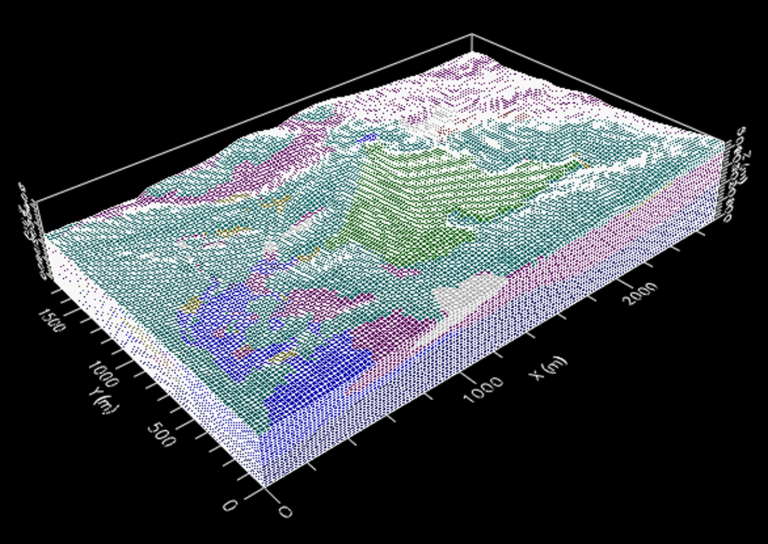
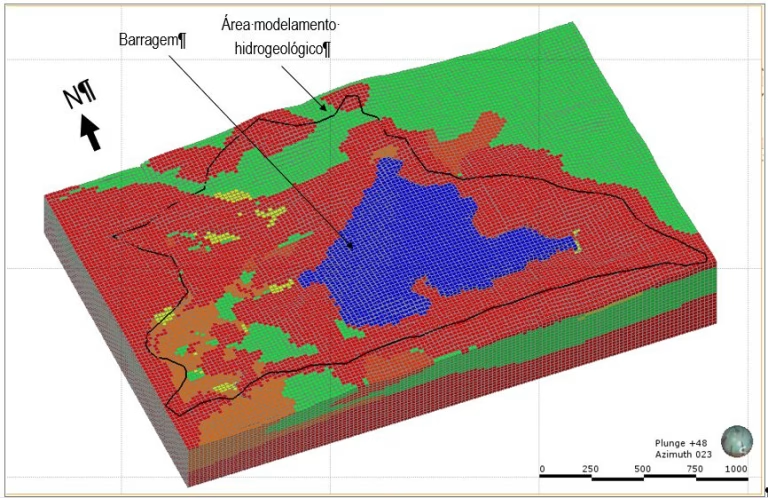
A three-dimensional geological model of the area of interest was developed using Leapfrog software, based on available drilling and geological mapping data. From the geological model, a numerical grid in MODFLOW was generated for the flow modeling, representing the evolution of the tailings dam from pre-operation to the present, covering more than 20 years of simulation. Based on the flow model, a hydrogeochemical transport model was developed to represent the migration of sulfates and metals due to physical and chemical processes, using PHREEQC to estimate the initial concentrations at the source (tailings in the dam). With the calibrated hydrogeochemical model, scenario simulations were conducted to determine the potential migration of the chemical load to downstream areas and to establish mitigation and containment strategies for the migration of the underground plume.
Results
The hydrochemical analyses demonstrated the occurrence of high concentrations of sulfate, arsenic, and cyanide in the region downstream of the dam, confirming the existence of the subsurface plume. With the proper corrections in the transport model calibration, it was possible to identify, through future scenario simulations, that the plume’s migration could be contained with the installation and operation of six pumping wells downstream of the dam, contributing to environmental protection and water security in the region.