
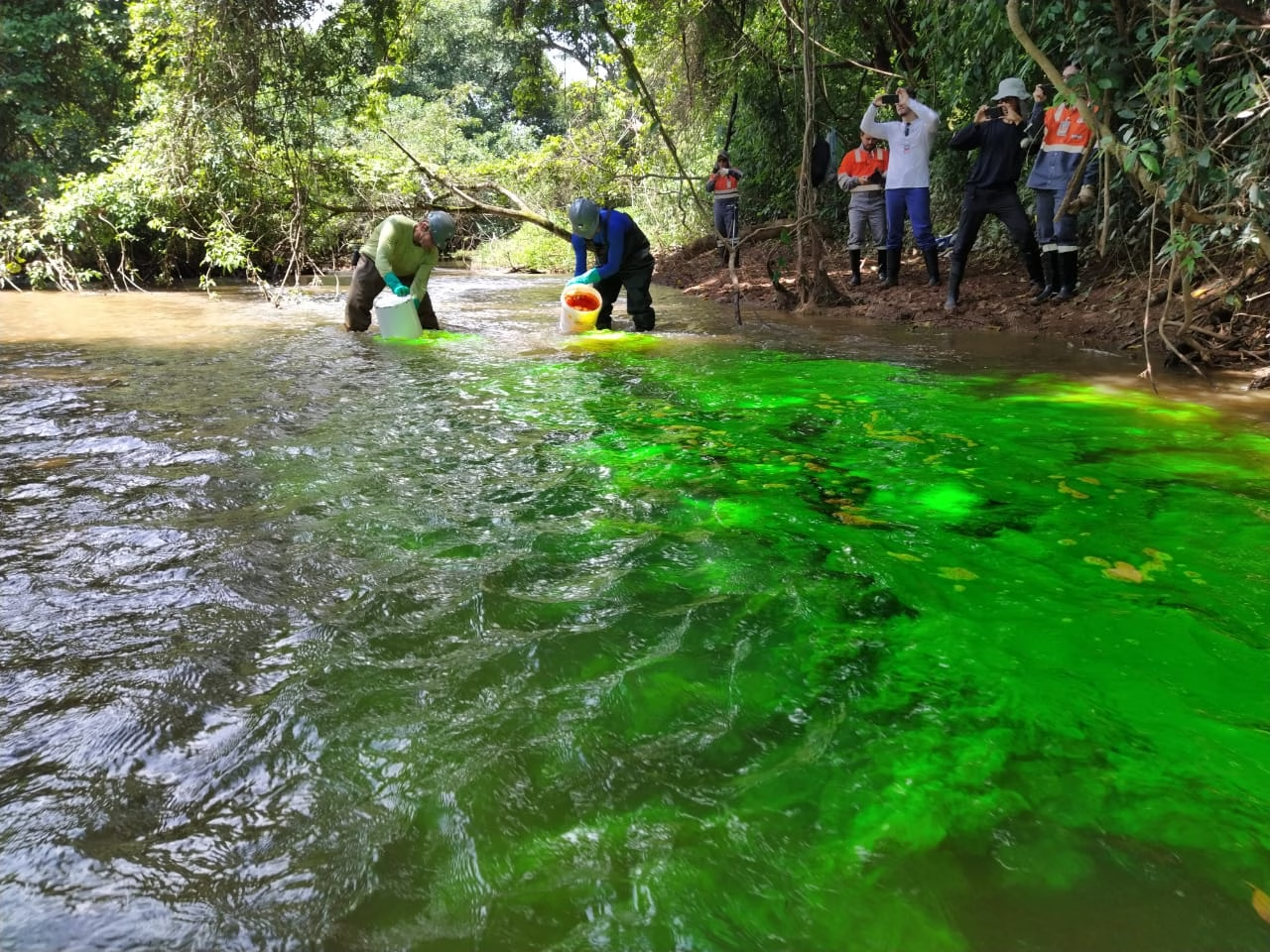
Groundwater plays a crucial role in the hydrological cycle and water resource management, especially in mining environments, where water infiltration can impact not only operational efficiency but also water quality.
Understanding the movement of this water and its interaction with the environment is essential to prevent issues such as contamination and waste. In this context, the use of tracers stands out as an indispensable tool.
In this article, we will explore what tracers are, their main applications, the characteristics of an ideal tracer, and why they are so important in assessing subsurface flows.
What Are Groundwater Tracers?
Tracers are substances introduced into groundwater to monitor and understand its behaviour along its path. They help answer key questions about water flow, such as:
• Where does the water go?
• How long does it take to reach different points?
• What happens during the journey?
• How does the interaction between surface water and groundwater occur?
Why Use Tracers?
Understanding the path of groundwater is extremely important for defining the hydrological properties of the geological medium and flow velocity. This is essential because it allows for identifying water resource dynamics, which is critical for sustainable water management.
With this information, it is possible to predict contaminant behaviour, ensure efficient recharge projects, optimize aquifer exploitation, and protect potable water sources. Additionally, this understanding is fundamental for mitigating environmental risks in sensitive areas, such as mining regions, where surface-groundwater interactions can directly impact water quality and ecosystems.
Furthermore, tracers are essential for defining parameters such as:
• Groundwater velocity
• Flow directions
• Porosity
• Hydraulic conductivity
These insights are vital for various applications, such as monitoring contaminant migration, evaluating aquifer recharge processes, controlling flow rates, and studying the interaction between groundwater and saline wedges.
What Are the Characteristics of an Ideal Tracer?
An ideal tracer should exhibit specific characteristics:
- Synchronization with Water: Moves harmoniously with the water flow
- Minimal Reactions: Interacts minimally with the medium, avoiding interference with results
- Measurable in Low Concentrations: Should be detectable even in small amounts and not naturally occur in significant quantities
- Safety: Should not compromise water potability or cause adverse effects
- Cost and Handling: Should be cost-effective and easy to handle
What Types of Tracers Are Available?
Tracers can be classified based on the substances they carry, such as:
- Noble Gases: Like helium and argon
- Thermal Tracers: Use heated water for monitoring
- Radioactive Tracers: Used in specific cases, such as deuterium
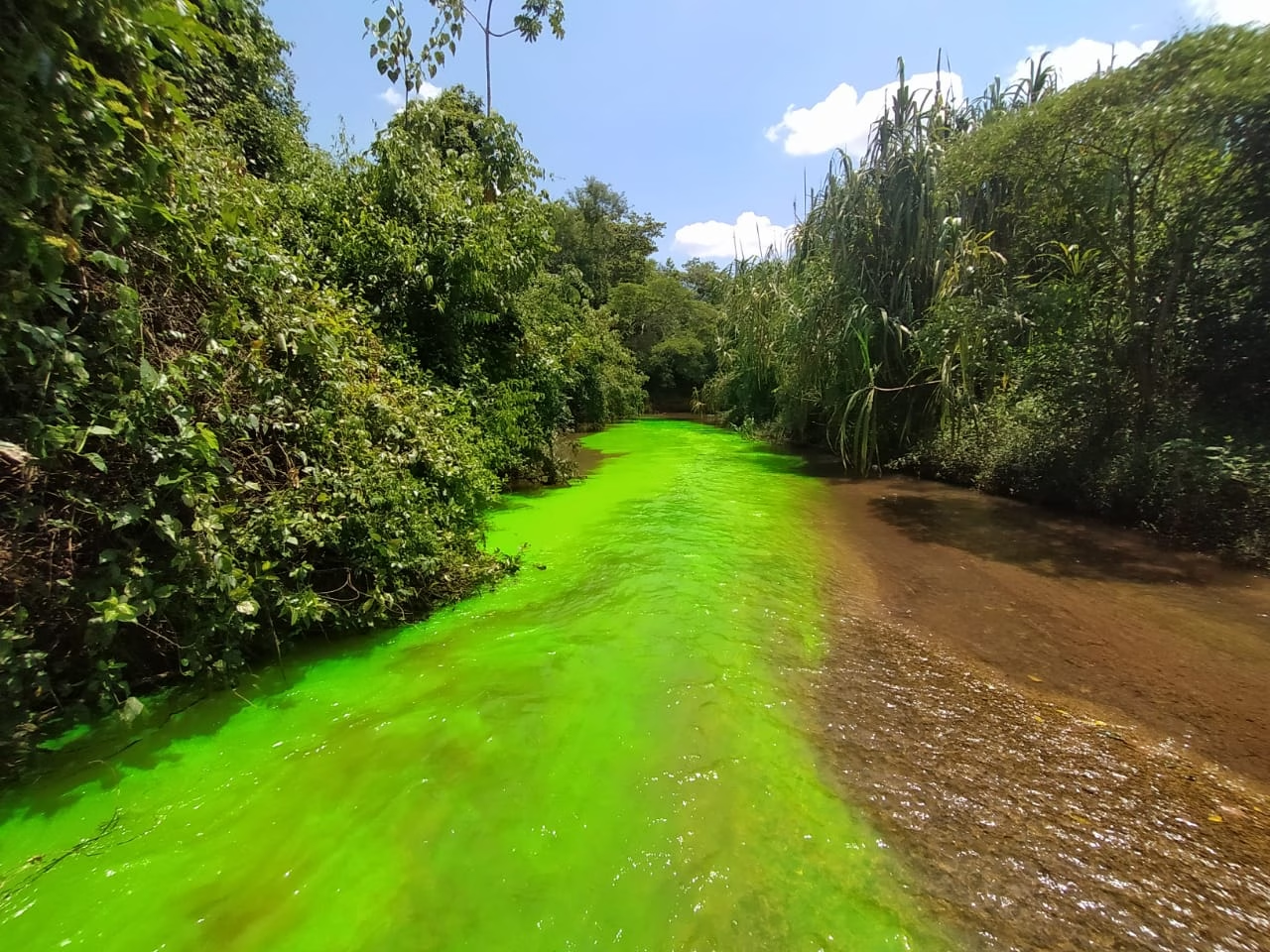
- Dyes: Like rhodamine, pyranine, uranine, and fluorescein, which are the primary focus in many studies
What Are the Steps for Using Dye Tracers?
The use of dye tracers follows a process composed of key steps. The first step is determining monitoring points, which involves selecting strategic locations for sample collection.
Next, water samples are collected from both surface and groundwater sources. After that, the tracer is injected into the system, requiring continuous monitoring of its migration. The final step involves laboratory analysis of the results obtained.
An effective monitoring technique is the use of activated carbon to absorb the dye at strategic points. This approach allows tracer detection even when monitoring is not continuous.
Practical Applications: Case Study in Underground Mines
Water Services and Technologies recently conducted a study in an underground mine in Minas Gerais, where tracer techniques were used to evaluate the volume of water that could flow from the river into the mine. The research aimed to identify potential water sources and map contributing areas.
During the study, tracer injections were carried out at strategic points, allowing for the collection of data on water migration. Continuous monitoring with fluorometers enabled the detection of tracer concentrations, clearly identifying the influence of surface water on groundwater.
The results showed that 44% of the water entering the mine exhibited evidence of contamination, emphasizing the importance of monitoring water quality and preferential flow paths. The data obtained allowed for the enhancement of the mathematical model used for water resource management, improving accuracy in calibrating hydraulic conductivity.
Identifying contamination sources enabled the implementation of corrective measures, contributing to the protection of groundwater quality and reducing environmental risks associated with mining activities.
Moreover, optimizing the water resource management model resulted in a more efficient allocation of water within the mine, minimizing waste and, consequently, reducing operational costs.
Finally, raising awareness about the interdependence between surface and groundwater reinforces the importance of integrated water resource management, benefiting not only the mine’s operation but also promoting the conservation of local ecosystems.
Discover how the application of tracers can transform your project’s efficiency by optimizing water management, reducing costs, and minimizing operational risks.
If you are facing challenges related to infiltration in mines or want to learn more about improving water quality in your operation, click the button below and speak to our team.