

Assessment of Water Availability for Public Supply, Metropolitan Region of Salvador, Brazil
CLIENT
Bahia Water and Sanitation Company (Embasa) / Inter-American Institute for Cooperation on Agriculture (IICA)/ Brazilian Cooperation Agency
LOCATION
Salvador, Bahia, Brazil
TIMEFRAME
2018-2023
Need more info? Contact Us!
Challenges
Embasa is responsible for providing public services for potable water supply and sanitation, including water intake, treatment, and distribution, as well as the collection, transportation, and proper disposal of domestic sewage. The company operates water supply systems in 366 of the 417 municipalities in Bahia. According to data from Embasa and the National Water and Basic Sanitation Agency (ANA, 2021), of the 366 municipalities served by Embasa, 272 are supplied by surface water intake, 66 municipalities use groundwater intake, and 28 municipalities have mixed intake sources.
The development of a hydrogeological and hydrogeochemical diagnosis of the main aquifer system (Marizal São Sebastião Aquifer) in the metropolitan region of Salvador, the designated study area for the project, enabled an enhancement of the knowledge and management of groundwater resources in the region. Funded by IICA and developed in partnership with Embasa, the project’s goal was to determine groundwater availability concerning the level of water resource use in the region. As the region is semi-arid, the primary water supply source is the aquifers.
Solution
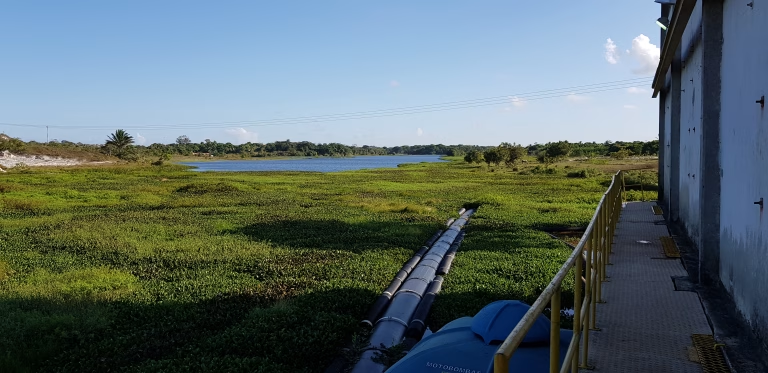
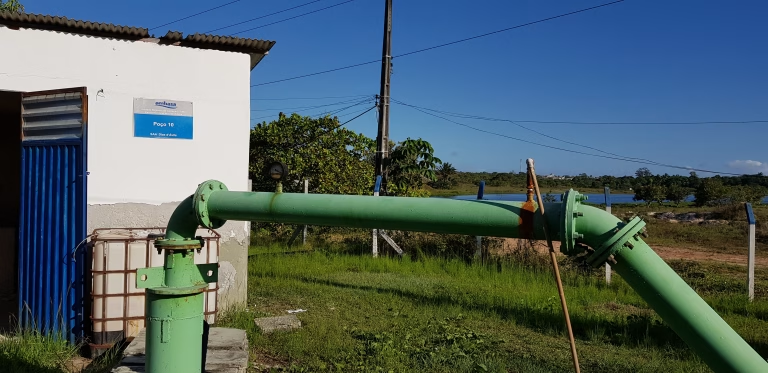
The project involved the compilation and analysis of existing data, including the registration and verification of wells. A monitoring network was established, including 6 hydrometric stations, 30 tubular wells with auxiliary tubes for water level measurement, 11 tubular wells with pressure transducers for automated water level monitoring, a climate station, and a rain gauge with an automated monitoring system. Twelve flow measurement campaigns were conducted at the 6 hydrometric stations, along with 3 hydrogeological and climatic monitoring campaigns, 2 hydrochemical monitoring campaigns, and 3 aquifer tests with results interpretation.
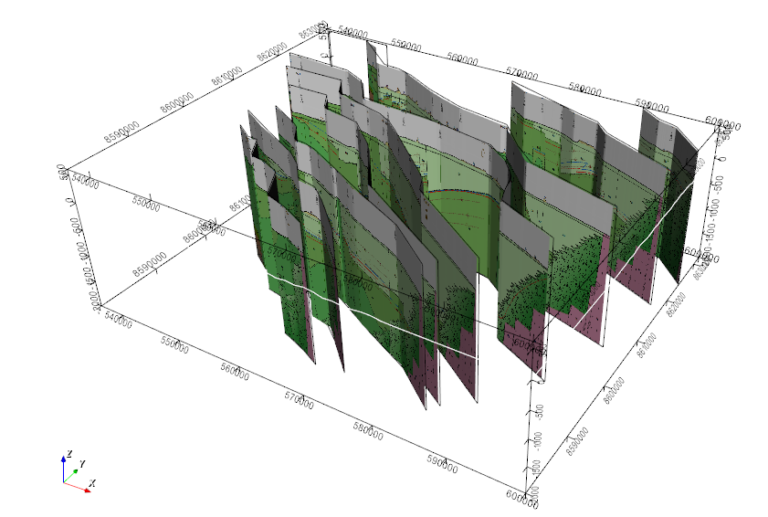
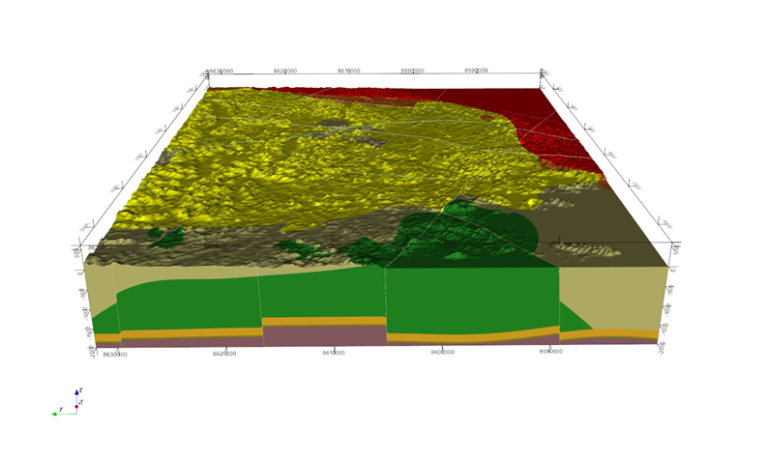
Additionally, a conceptual hydrogeological model, a 3D geological model, and a numerical flow and transport model were developed, and the intrinsic vulnerability of regional aquifers was assessed. At the end of the project, results were disseminated through events and technical discussions with public and private companies involved in the subject, and technical reports were prepared documenting the methodologies adopted and the results obtained from the study.
Results
The study demonstrated that the current level of groundwater use is insignificant compared to the basin’s potential, thereby opening up opportunities for greater use of these resources without generating negative impacts on the reservoir. Future scenarios (2030 and 2040) were presented, simulating increased groundwater intake as defined by the Metropolitan Water Supply Plan of Salvador (PARMS), which will support strategic decisions for better water resource management. This project received the Brazil Environmental Award, promoted by the American Chamber of Commerce in Rio de Janeiro, in the category of Rational Use of Water Resources.