

Study on Sustainable Groundwater Supply Assessment, Southern Coast of Brazil
CLIENT
Aegea Saneamento / Águas de Penha
LOCATION
Penha, Santa Catarina State, Brazil
TIMEFRAME
2020
Need more info? Contact Us!
Challenges
The city of Penha, located in the state of Santa Catarina, southern Brazil, has a population of approximately 34,000 inhabitants. However, due to its tourist attractions, water demand nearly doubles during the summer months. With limited traditional water sources in the region, the water utility must acquire or divert water from other cities, increasing operational complexity and causing recurring supply issues during critical periods.
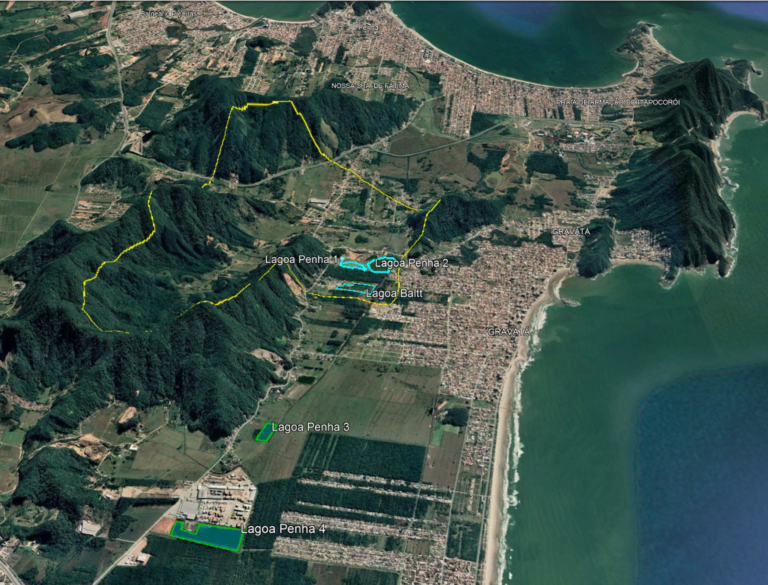
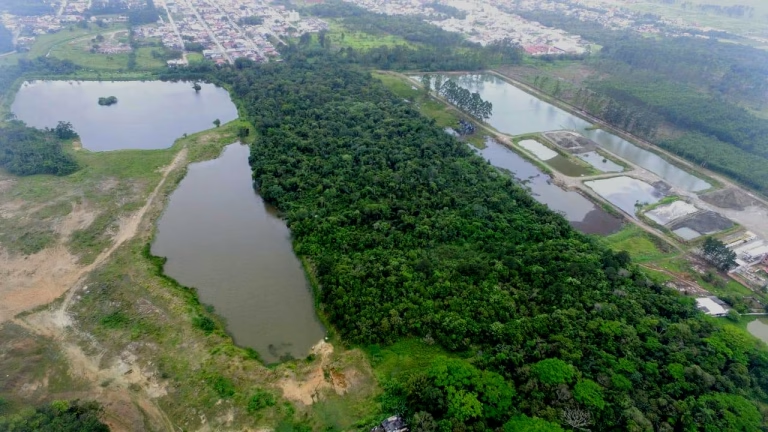
In the city, there are several sand extraction operations that have resulted in lagoons where the groundwater is close to the surface. Extracting water from these lagoons could offer significant versatility and sustainability for the utility to supplement its water supply during peak periods.
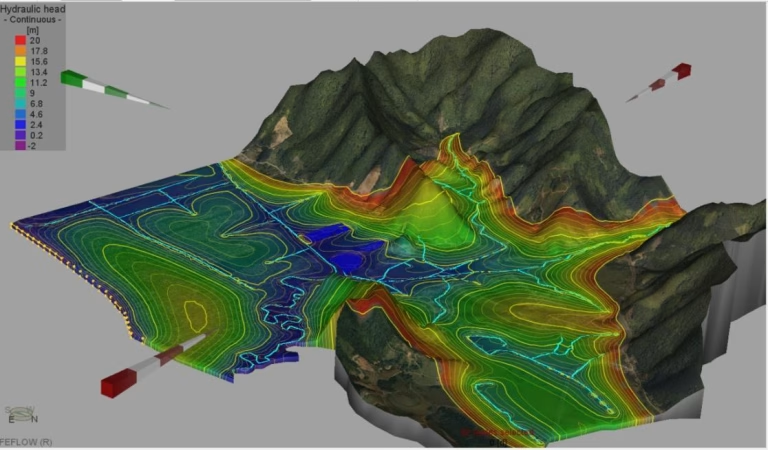
The study aimed to establish the hydrodynamic relationship between surface and groundwater in the area to determine whether the existing lagoons are sustained by the underlying aquifer. If a connection exists, the study sought to determine the aquifer’s contribution rate to the lagoons and suggest sustainable extraction practices.
Solution
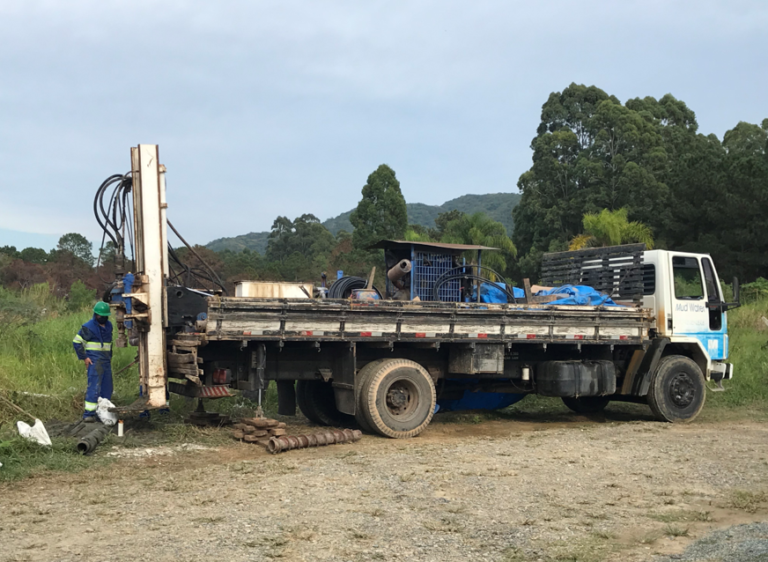
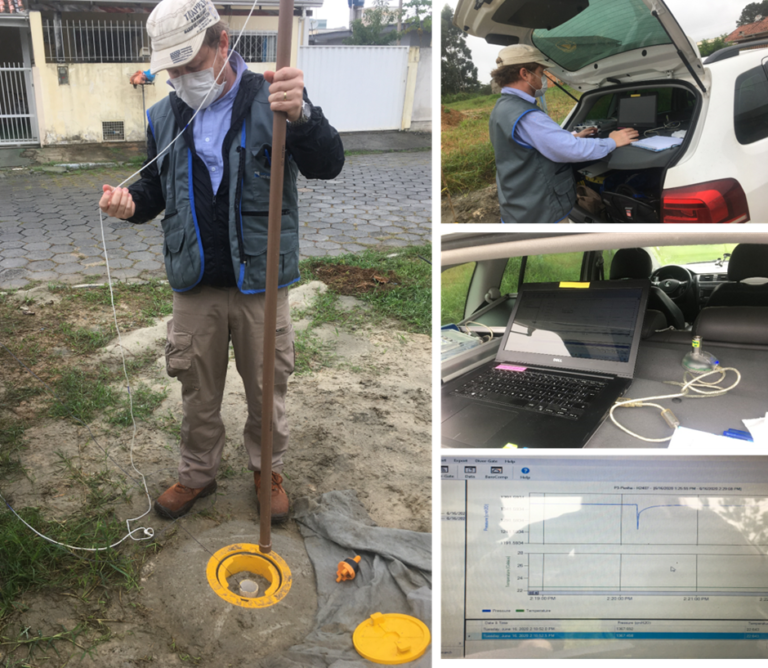
Field data collection included the drilling of six piezometers, collection of 15 water samples from the lagoons of interest and from both newly constructed and existing piezometers, hydrogeological testing (Slug Tests and Bail Tests), and hydrogeochemical analyses. The tests used pressure transducer data loggers to automate data collection, allowing pressure and temperature variations to be measured every 0.5 seconds. Additionally, a mathematical model was developed to determine the hydrodynamic relationship between surface and groundwater, evaluate the potential for using these lagoons for water supply, assess possible environmental impacts, interference with existing wells, and potential saline wedge intrusion.
Results
Sustainable extraction rates from the lagoons were determined, along with seasonal operation regimes to ensure adequate water supply for the local population, promoting responsible water resource use. Additionally, the necessary permits were obtained, a Water Treatment Plant (WTP) was constructed expeditiously, and the local population was adequately supplied in the next summer season.