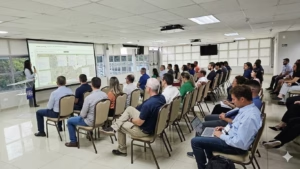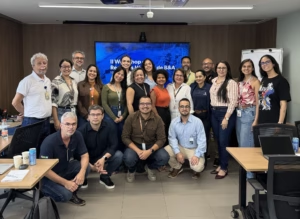


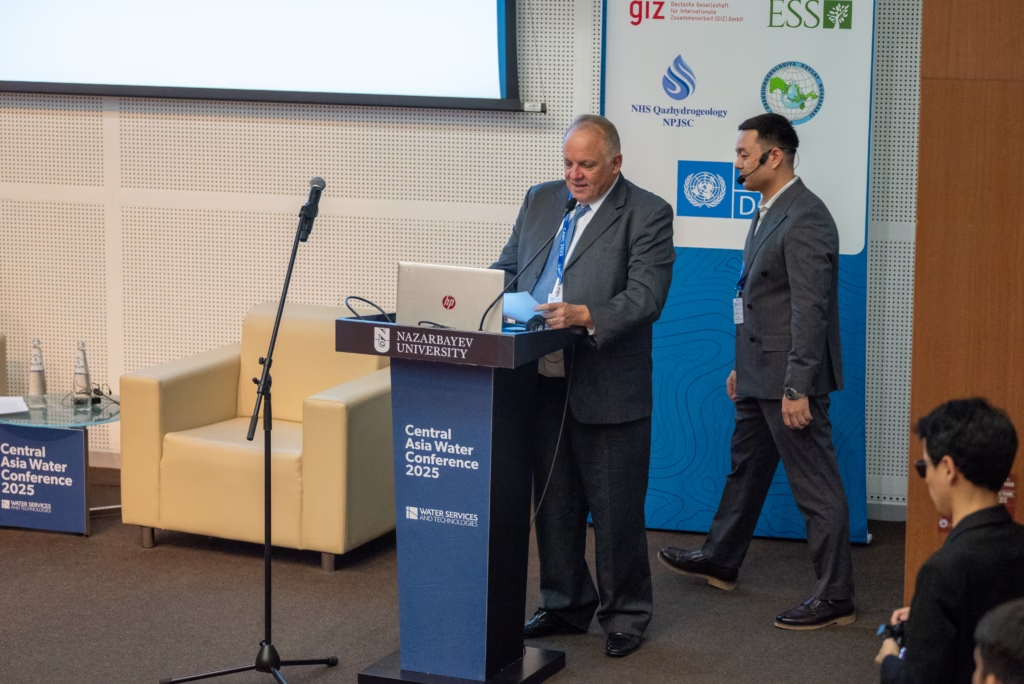
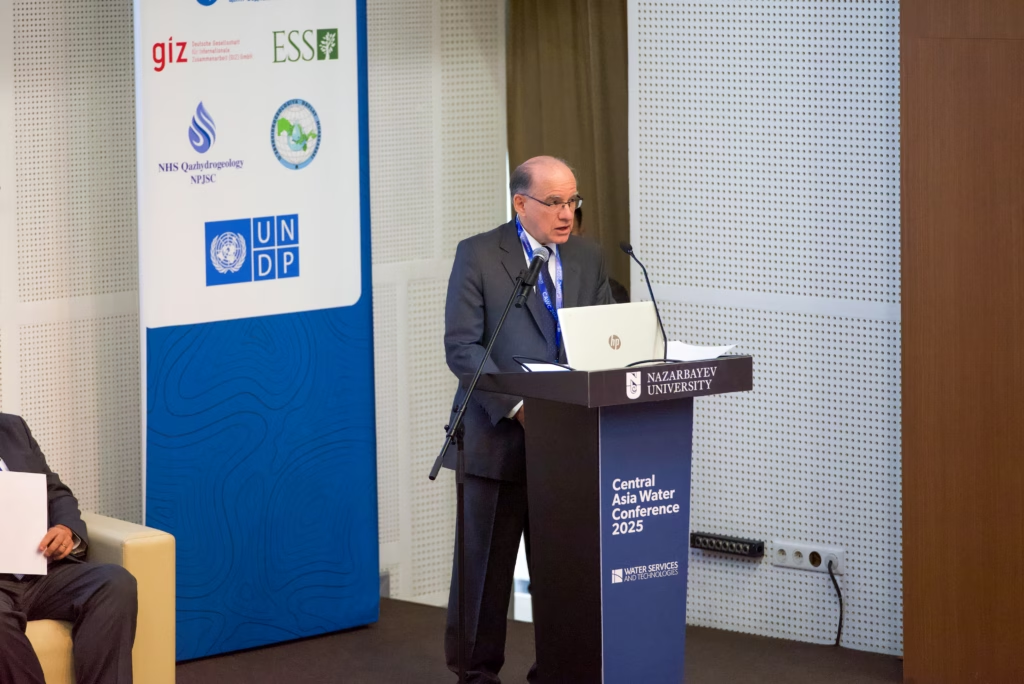
Astana (Nazarbayev University), 2025 — The Central Asia Water Conference 2025 brought together government, academia, industry, and investors around a common pillar: reliable data as a strategic asset to turn regulatory intent into on-the-ground execution and accelerate high-impact decisions.
In the technical opening, Dr. Nilson Guiguer presented the “Assess → Integrate → Analyze → Decide” journey, demonstrating how auditable and standardized databases elevate operational efficiency and regulatory confidence – from the national scale to the mine site. National and international cases such as SIAGAS, NWRIMS, and SIMPA/ES illustrated measurable gains and the importance of a data ecosystem that connects field, laboratory, and governance.
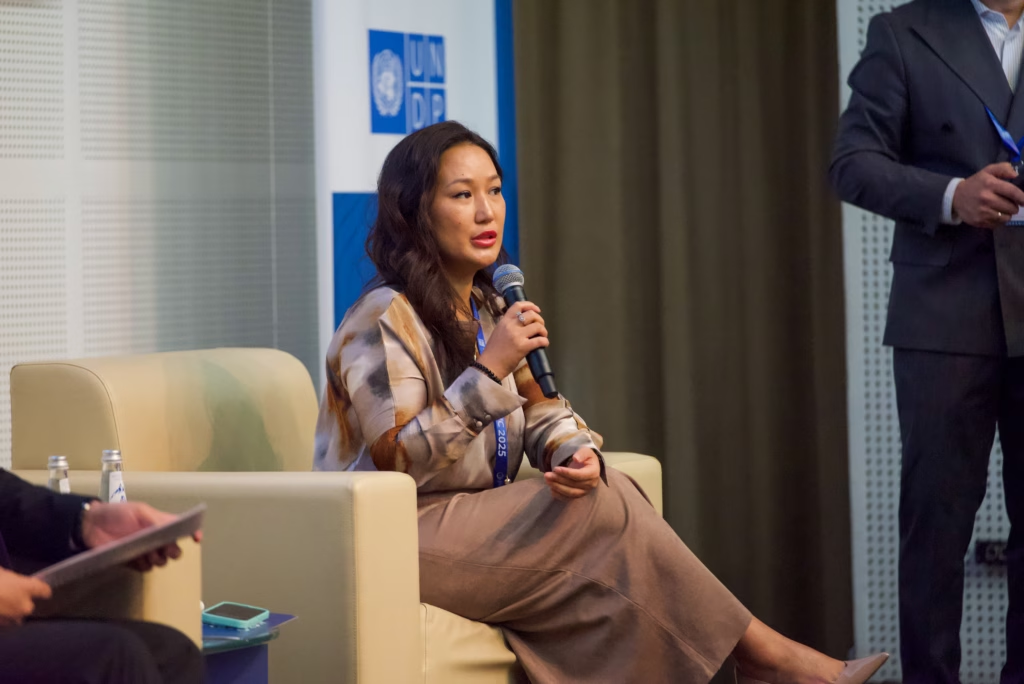
On the public policy front, Serikzhan Beketayev detailed the principles of Kazakhstan’s new Water Code—water as part of the environment, resource protection, integrated management of surface and groundwater, and efficient-use/climate-adaptation technologies—guiding long-term planning. In parallel, Alua Baizhomartova, Chief of the Energy and Environment Section at UNDP Kazakhstan, brought a public policy and governance lens: how open data can accelerate auditable decision-making and collaboration among government, industry, and academia—bridging the regulatory agenda with the region’s emerging digital infrastructure. Complementing this strategic view, Dair Ibrayev underscored the current underuse of groundwater (approximately 10%) and the need for science and specialist training to sustain water security.
Up next, Nurlan Abayev presented advances in the National Water Resources Information System, integrating modules for water use, cartography, and satellite monitoring, as well as the Ile–Balkash digital twin, bringing public data closer to public decision-making and transboundary management.
In the ESG and institutional dimension, Yerbulan Belgibekov advocated integrating water management with indicators and PDCA cycles, ensuring transparency and auditability. In parallel, Anvar Gapparov addressed the strengthening of national groundwater monitoring through database integration and institutional modernization, while Mansur Tashpulatov introduced the Waterbase application, which standardizes field-to-operations data submission, reducing timelines and errors.
Among the technical contributions, Rafael Cavalcanti de Albuquerque showed how to “predict to prevent” in mine drainage by combining site characterization, static/kinetic testing, and hydrogeochemical modeling (PHREEQC) to guide monitoring and treatment with better cost-effectiveness.
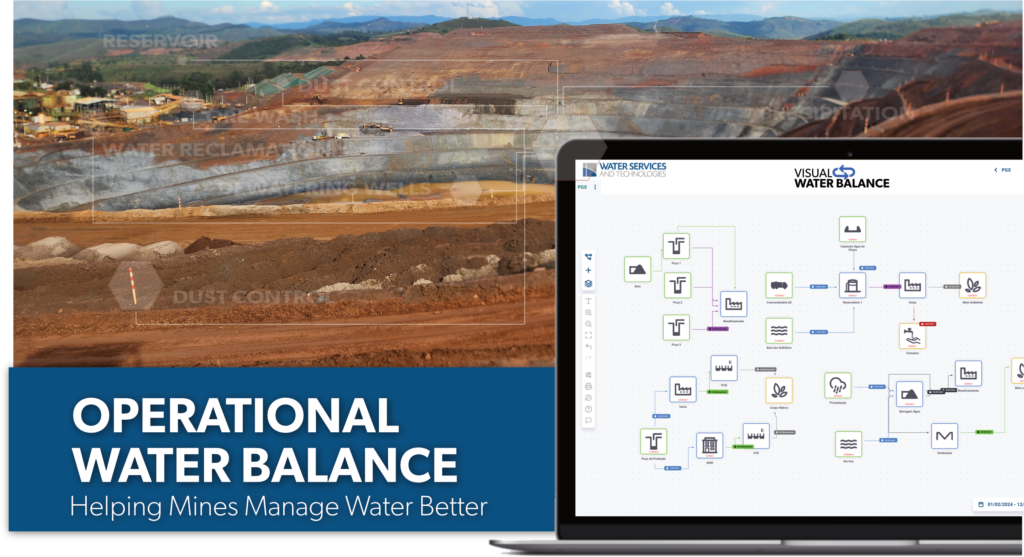
Closing the operational track, Mauro Prado positioned the Water Balance as a foundation for resilience, compliance, and ESG targets—centralizing data, updating dashboards, and running what-if simulations to prioritize recirculation, reuse, and risk reduction.


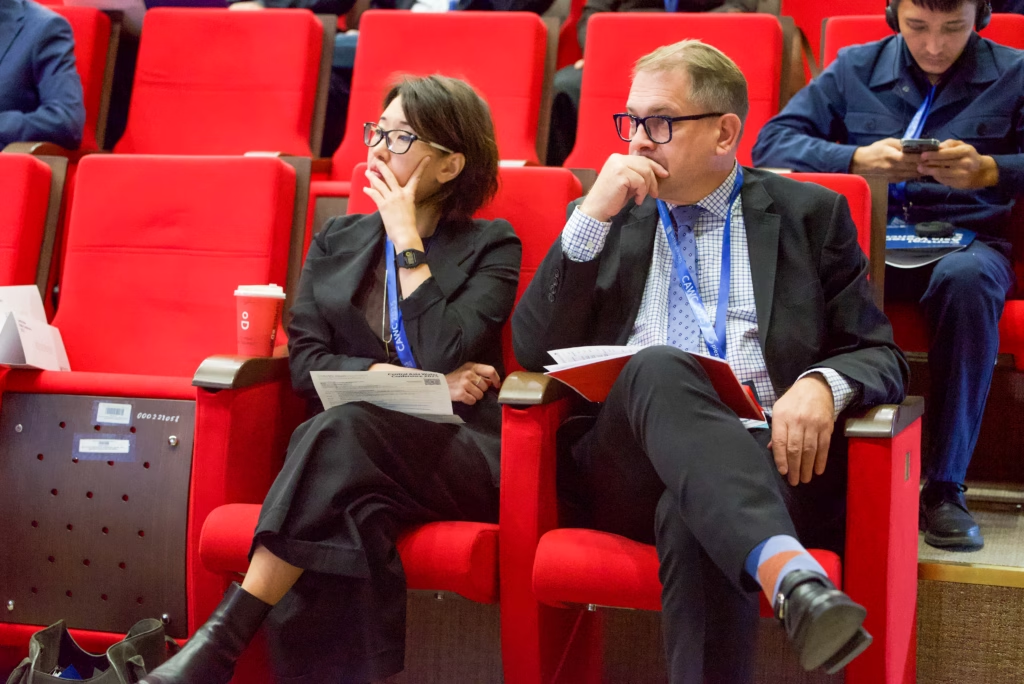
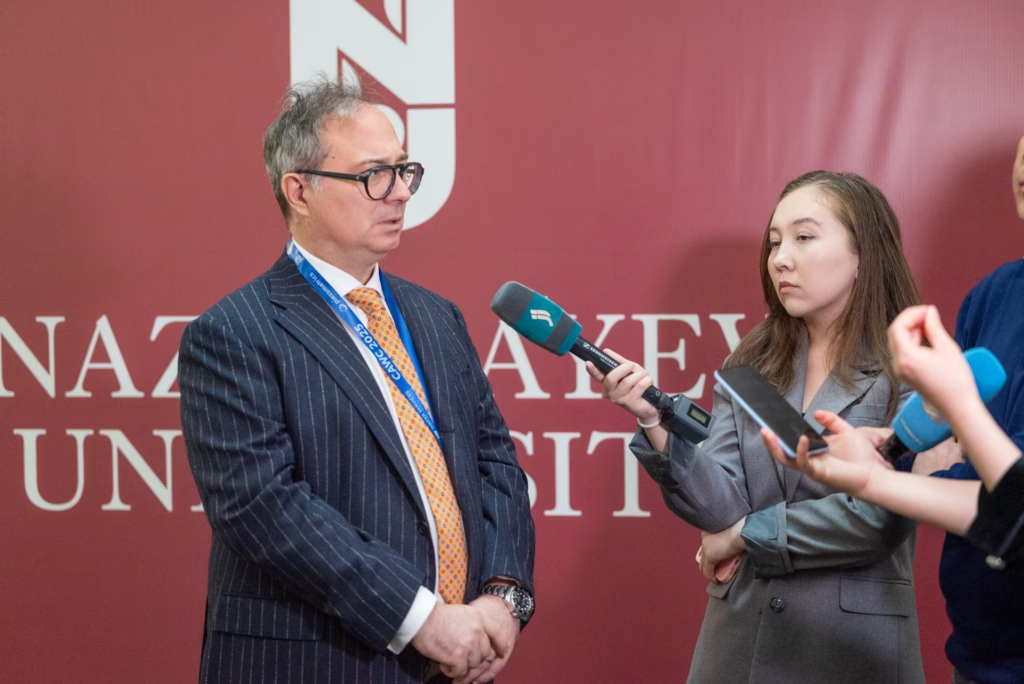
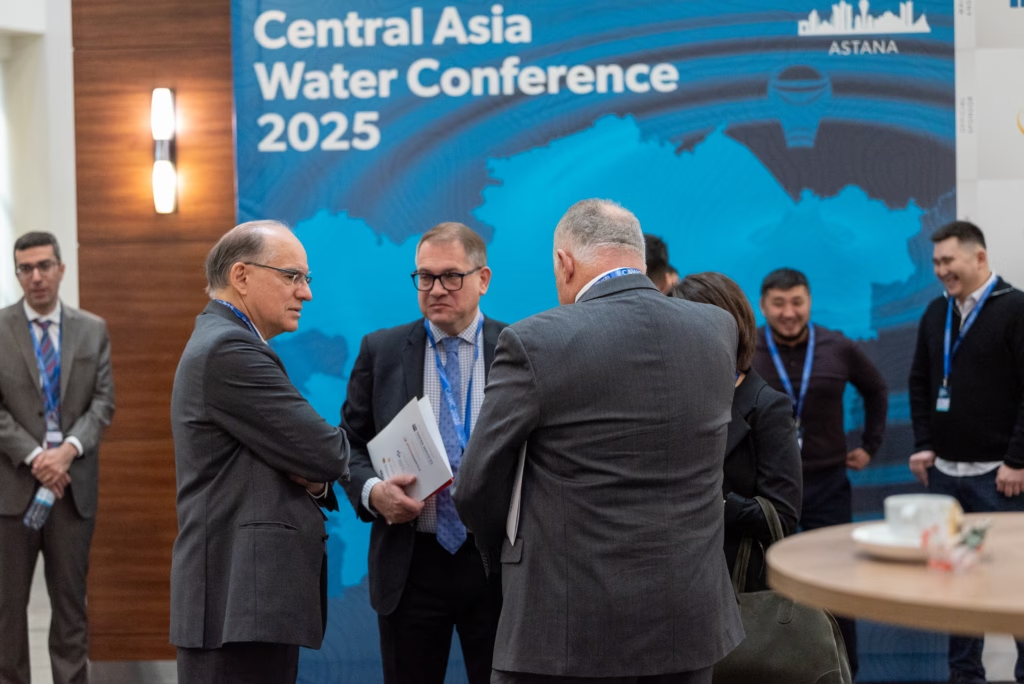
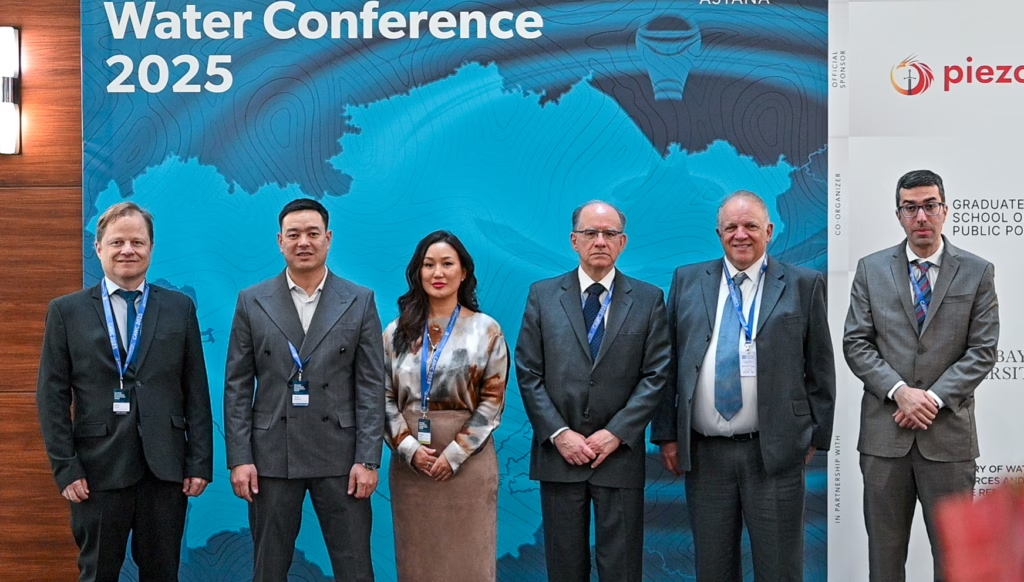
In sum, the conference consolidated a shared agenda of data standards, transparency, and collaboration to accelerate governance, predictability, and responsible investment in water—from policy design to execution on the ground.
To dive deeper into each section, download the event presentations and explore in detail the latest advances in water management, data monitoring, and environmental constraints.