
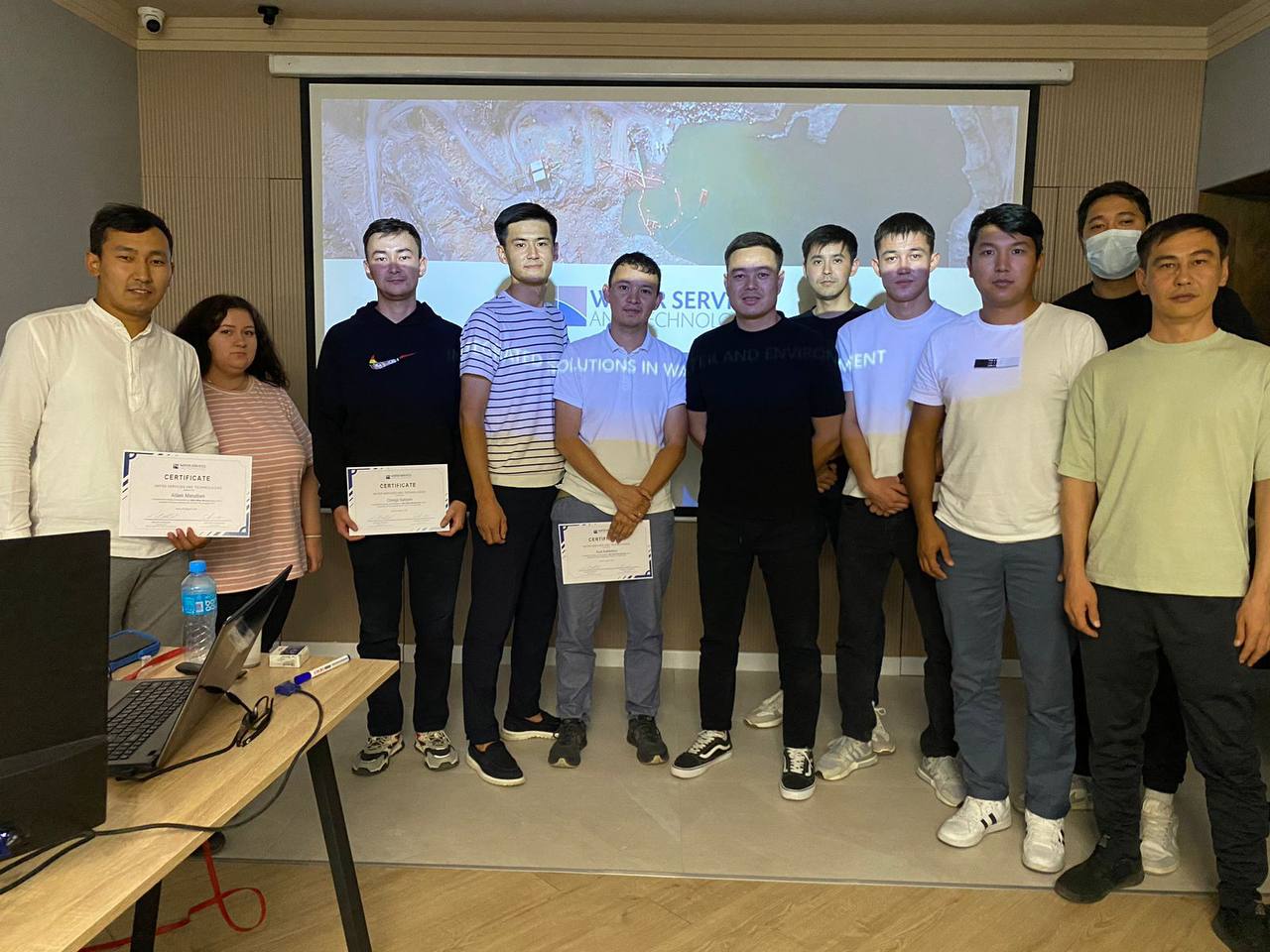
Water Services and Technologies has been chosen by two of Kazakhstan’s largest gold and polymetallic mining companies, Altynalmas JSC and RG Gold, to provide strategic training in Mining Water Management, marking a significant step towards operational excellence for these companies.
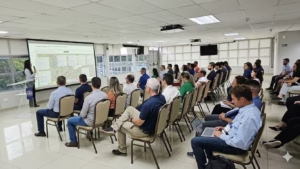
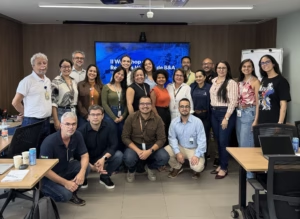
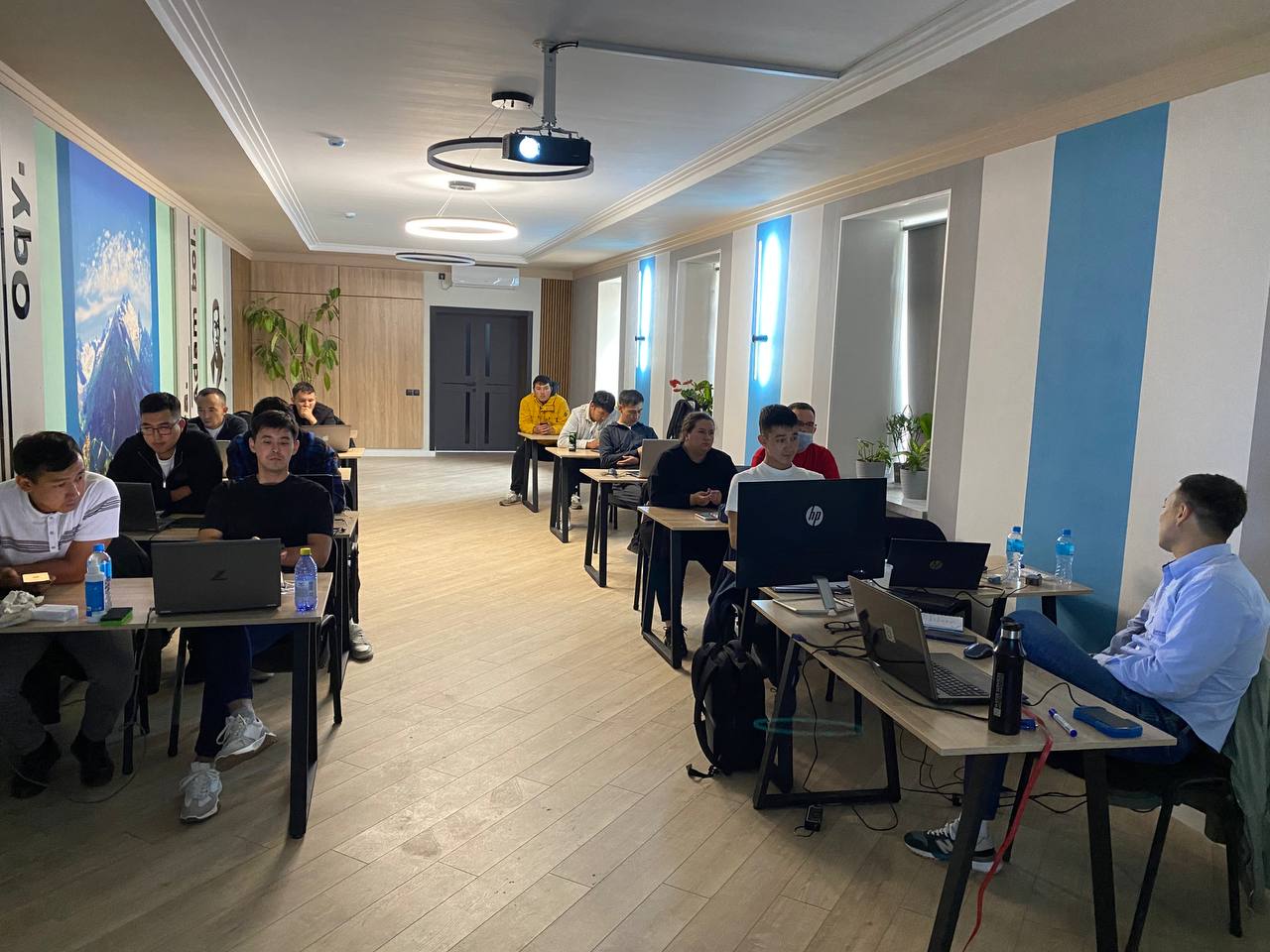
Water Services and Technologies professionals from Brazil and Kazakhstan provided comprehensive training in the city of Semey, covering topics such as Groundwater Flow, Hydrogeological Monitoring, Conceptual and Numerical Hydrogeological Models, Design and Construction of Wells and Drainage Systems, Operational Water Balance Management and Interpretation of Aquifer Tests.
“Water Services and Technologies has been working on several projects in Kazakhstan and, now through our subsidiary in that country, we are proud to collaborate with mining companies to preserve and sustainably use water resources in their operations,” says Mauro Prado, Director and Principal Hydrogeologist at Water Services and Technologies.
Kazakhstan is one of the world’s largest mineral producers. Among the mineral goods produced in the country are gold, iron, uranium, copper, bauxite and sulphur.
The mining sector is expected to maintain its importance in the coming years, with a trend towards increased mineral production and the consequent socio-environmental and economic impacts generated by this activity. Increased pressure for socio-environmental sustainability and the spread of new technologies, among other structural factors, are seen as the main drivers of change in the sector.
With 80% of its territory being steppes and deserts, and with an average rainfall of only 360mm/year (ranging from 100mm/year near the Aral Sea to 1600mm/year in the mountainous region to the south), the scarcity of water resources is one of the main factors to be taken into account in mining projects in the country.
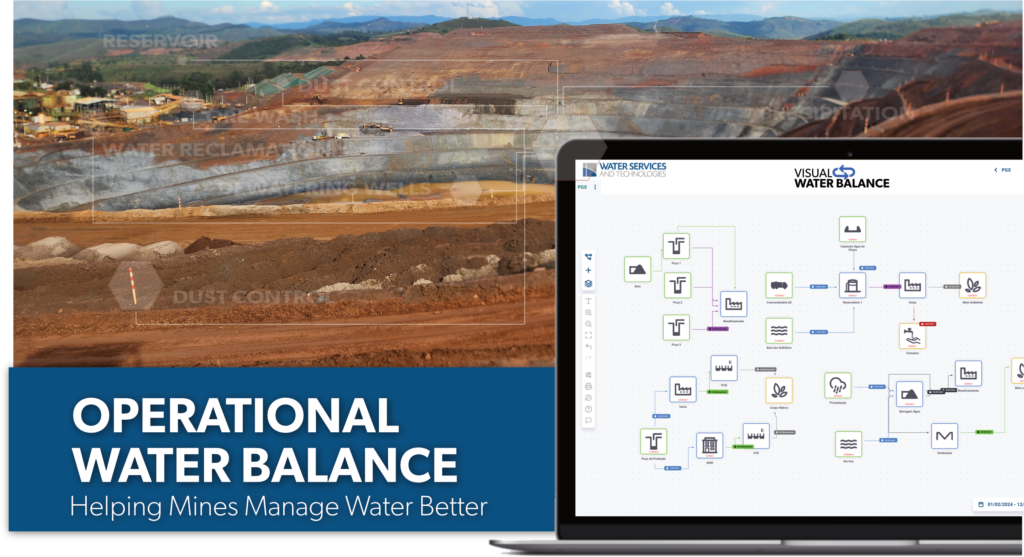
With this in mind, mining companies should take care to design an accurately calibrated water balance model that considers specific process-related water components, including inputs, consumption and outputs. This type of model helps determine long-term water needs – both in quantity and quality – while also aiding in the design and planning of the mine’s water infrastructure.
Water is a key component of mining and, as such, water-related risks can have significant consequences, including loss of production and license to operate. This has elevated the crucial importance of integrated water management to the highest levels of the organizational structure.
As a result, mining companies are increasingly focused on proactive and sustainable water management, with many leading companies collaborating to improve best practices through discussion groups or specific training on water management in their operations..